A lump in the neck or a thyroid nodule found on a scan can cause a lot of worry. The reassuring fact is that most thyroid nodules are benign, and many thyroid cancers are highly treatable. This guide explains diagnosis, surgery and recovery for patients looking for thyroid cancer surgery in Pune.
What does the thyroid do?
The thyroid is a small butterfly-shaped gland at the front of the neck, below the voice box. It makes hormones that control metabolism, heart rate, body temperature and energy levels. Behind it lie four tiny parathyroid glands that control calcium levels. Nerves that control the voice run close to the gland.
This closeness to the voice nerves and parathyroid glands is why thyroid surgery needs careful technique.
Symptoms to notice
Many thyroid problems cause no symptoms. A nodule is often found on a routine scan or by the patient noticing a swelling. Possible signs include:
- A lump or swelling at the front of the neck.
- Hoarseness or a change in voice.
- Difficulty swallowing or a feeling of pressure in the neck.
- Difficulty breathing in advanced cases.
- Swollen lymph nodes in the neck.
- A nodule that grows quickly or feels hard.
Many of these also occur in benign conditions. Only tests can tell.
How a thyroid nodule is evaluated
- Neck examination by the doctor.
- Ultrasound of the thyroid and neck. This shows features that suggest whether a nodule is likely benign or suspicious.
- Thyroid function tests to check hormone levels.
- FNAC (fine needle aspiration cytology): A thin needle takes a few cells from the nodule for examination.
- Further imaging such as CT or MRI in larger or advanced cases.
- Laryngoscopy to check the vocal cords before surgery in selected patients.
The FNAC result is often reported using a standard grading system, which helps decide whether to observe, repeat the test or operate.
Types of thyroid cancer
- Papillary thyroid cancer: The most common type. Usually slow-growing and often has excellent outcomes.
- Follicular thyroid cancer: Less common. Can spread through the blood.
- Medullary thyroid cancer: Arises from different cells. It may be linked to inherited conditions, so family screening may be advised.
- Anaplastic thyroid cancer: Rare and aggressive. Needs urgent specialised care.
The type affects the surgical plan and what happens after surgery.
Thyroid surgery options
- Hemithyroidectomy (lobectomy): One half of the thyroid is removed. Used for small, low-risk cancers or for benign nodules and indeterminate results.
- Total thyroidectomy: The whole gland is removed. Used for larger or higher-risk cancers, or when both sides are involved.
- Central neck dissection: Lymph nodes near the thyroid are removed when spread is present or likely.
- Lateral neck dissection: Done when lymph nodes on the side of the neck are involved.
Your surgeon chooses the operation based on the type, size and spread of the cancer, plus your age and general health.
Thyroid cancer surgery in Pune: what to expect
Before surgery
- Blood tests, including thyroid and calcium levels.
- Voice check if advised.
- Anaesthesia evaluation.
- Instructions on fasting and medicines.
On the day
- The surgery is done under general anaesthesia.
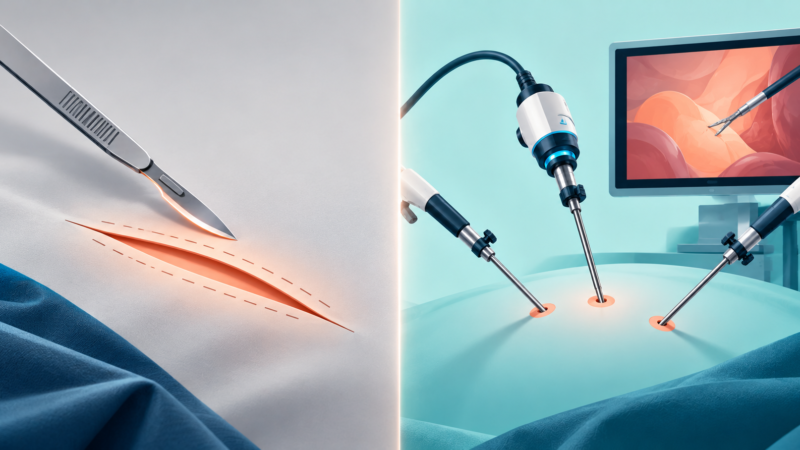
- A small neck incision is made, placed in a natural skin crease where possible to keep the scar discreet.
- The surgeon takes care to identify and protect the voice nerves and parathyroid glands.
- A small drain may be placed in some cases.
- Duration depends on the extent of the operation.
After surgery
- You will be observed for bleeding, voice changes and calcium levels.
- Hospital stay is usually short. Your surgeon will confirm the timeline.
- Pain is usually mild and controlled with medicines.
- You can usually swallow and eat soft food soon after surgery.
Possible risks
All surgery has risks. Thyroid surgery risks may include:
- Temporary or, rarely, permanent voice change from nerve irritation or injury.
- Low calcium levels because the parathyroid glands may be temporarily or permanently affected. Calcium and vitamin D tablets may be needed.
- Bleeding or swelling in the neck.
- Infection.
- A visible scar, which usually fades over time.
These risks are lowered by careful technique and experience. Your surgeon will discuss them with you before surgery.
Dr. Rahul Wagh and thyroid surgery
Dr. Rahul Wagh is a Consultant Surgical Oncologist in Baner, Pune. His practice includes thyroid and head and neck cancers. With an MCh in Surgical Oncology and over 15 years of experience, he plans each thyroid operation with the dual aim of complete cancer control and protection of voice and calcium function.
Recovery and follow-up
- Mild neck stiffness and a feeling of tightness settle over days to weeks.
- Gentle neck movements help. Your surgeon will advise when to start.
- Keep the wound clean and dry. Report any swelling, fever or tingling around the mouth or fingers, which can signal low calcium.
- After total thyroidectomy, you will need thyroid hormone tablets for life. The dose is adjusted by blood tests.
- Some patients need radioactive iodine treatment after surgery, depending on the cancer type and risk.
- Regular blood tests (including thyroglobulin in some cases) and neck ultrasound help watch for recurrence.
- Most patients return to their routine within a short time. Your surgeon will confirm for your case.
Thyroid cancer, especially papillary type, often has a very good outlook with proper treatment and follow-up. Regular visits are important.
When should you see a surgical oncologist?
- A neck lump that persists or grows.
- A thyroid nodule with suspicious features on ultrasound.
- An FNAC report suggesting cancer or indeterminate cells.
- Voice change with a neck swelling.
- Family history of thyroid cancer or related genetic conditions.
- Previous radiation to the head or neck.
FAQs
Are all thyroid nodules cancerous? No. The majority are benign.
Is thyroid cancer curable? Many types, especially papillary thyroid cancer, have excellent outcomes with proper treatment.
Will I need medicine for life after surgery? After total thyroidectomy, yes. After removal of half the gland, it depends on how the remaining gland works.
Will my voice change? Temporary hoarseness can occur. Permanent change is uncommon but possible. Your surgeon will explain the risk.
Will the scar be visible? It is placed carefully and usually fades with time.
Book a consultation with Dr. Rahul Wagh
- Call or WhatsApp: +91 8956002781
- Manipal Hospital, Baner: OPD 42B1, Oncosciences Dept, Veerbhadra Nagar Rd, Baner-Mahalunge Rd, Baner, Pune 411069
- High Street Square, Baner: 4th Floor, 66, High Street Square, 405, Pancard Club Rd, Baner Gaon, Baner, Pune 411069
- OPD: Monday to Saturday, 10:00 AM to 8:00 PM
- Book Appointment
Visit Dr. Rahul Wagh’s clinic in Baner, Pune: get directions to the surgical oncologist’s clinic in Pune.
This article is for general awareness only. It does not replace a medical consultation. Every patient is different, so treatment decisions must be made after examination and review of reports.