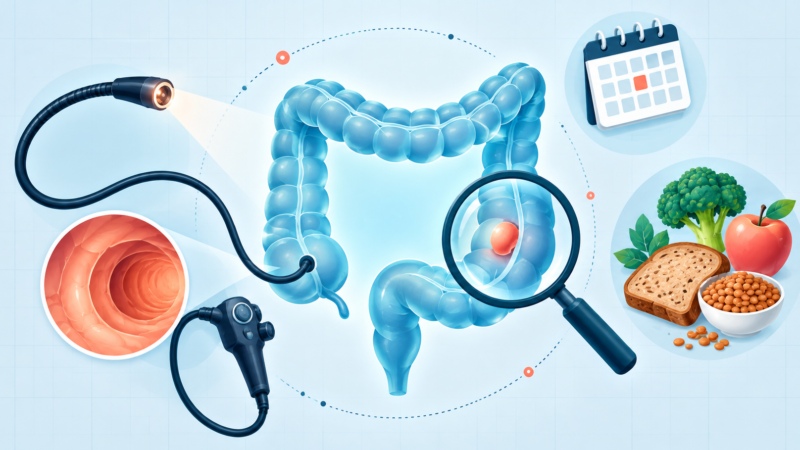
Many patients are told they need cancer surgery and then face a second question: open or laparoscopic? The choice can feel confusing. Each approach has strengths. This guide compares laparoscopic and open cancer surgery in Pune so you can discuss the options with your surgeon with confidence.
What is open surgery?
In open surgery, the surgeon makes a larger incision to reach the tumour directly. The surgeon can see the area and use hands as well as instruments to feel tissues and control bleeding.
Open surgery is the traditional method. It remains essential for many cancers, large tumours, complex situations and emergencies.
What is laparoscopic surgery?
Laparoscopic surgery is also called keyhole surgery. The surgeon makes several small cuts, usually about half to one centimetre each. Through them, a thin camera and long, slim instruments are inserted. The abdomen is gently inflated with gas to create working space. The surgeon watches the operation on a high-definition monitor.
The aim is the same as open surgery: to remove the cancer completely. The route is different.
Side-by-side comparison
- Incision size: Several small cuts in laparoscopic. One larger cut in open.
- Pain after surgery: Usually less with laparoscopic.
- Hospital stay: Often shorter with laparoscopic.
- Recovery: Often faster with laparoscopic, with earlier return to routine.
- Scarring: Smaller scars with laparoscopic.
- Wound problems: Lower risk of wound infection and incisional hernia with small cuts.
- Surgeon’s access: Open surgery gives direct hand access, which helps in complex or advanced tumours.
- Operating time: May differ depending on the complexity of the case.
- Cost: Laparoscopic equipment can raise the bill, though a shorter stay may offset some of it.
Where laparoscopic surgery is commonly used in cancer
Laparoscopic techniques are used in selected cases of:
- Colon and rectal cancers.
- Stomach cancers.
- Gallbladder and some liver procedures.
- Gynaecological cancers such as uterine and ovarian cancers in selected cases.
- Kidney and adrenal tumours.
- Staging procedures, where a small camera is used to look inside the abdomen.
Not every tumour in these groups can be removed this way. Size, location, stage and previous surgeries all matter.
When open surgery may be the better choice
An experienced surgeon may recommend open surgery when:
- The tumour is very large.
- The tumour has grown into nearby organs or blood vessels.
- You have had earlier operations with dense scar tissue inside.
- The situation is an emergency, such as a blockage or perforation.
- Complete cancer removal is safer through open access.
- The patient has medical conditions that make gas inflation of the abdomen unsafe.
Sometimes a surgeon begins laparoscopically and finds that open surgery is safer. Converting is a safety decision. It is not a complication or a failure.
The goals are the same
Whichever approach is used, cancer surgery must achieve the same goals:
- Remove the tumour completely with clear margins.
- Remove the right group of lymph nodes for accurate staging and control.
- Protect healthy organs and function as much as possible.
- Allow a smooth and safe recovery.
If a minimally invasive approach cannot achieve these goals as well as open surgery, open surgery is the better choice. Cancer control comes first.
Does laparoscopic surgery work as well for cancer?
For suitable cancers and in experienced hands, studies have shown laparoscopic surgery can give cancer outcomes comparable to open surgery, along with the benefits of faster recovery. This is why it is widely used for several cancers.
The phrase “in experienced hands” matters. Laparoscopic cancer surgery is technically demanding. Training and experience in both open and minimally invasive surgery help the surgeon choose and perform the right operation.
Laparoscopic cancer surgery in Pune: what to ask your surgeon
Before deciding, ask:
- Is my cancer suitable for laparoscopy?
- Will the cancer control be the same as with open surgery?
- What is the chance that you will need to convert to open surgery?
- What are the risks in my case?
- How long will I stay in hospital?
- What will recovery look like at home?
- What happens if the pathology report shows more disease than expected?
A good surgeon answers these questions openly and welcomes a second opinion.
Dr. Rahul Wagh’s approach
Dr. Rahul Wagh is a Consultant Surgical Oncologist in Baner, Pune. He has an MCh in Surgical Oncology and a fellowship in advanced laparoscopy and robotic surgery. With over 15 years of experience, he offers open, laparoscopic and robotic options and recommends what suits each patient’s cancer, general health and goals.
The principle is simple: the right operation for the right patient.
Preparing for surgery
- Complete the tests advised by your surgeon and anaesthetist.
- Share all medicines, allergies and past illnesses.
- Stop smoking and limit alcohol.
- Follow fasting and bowel preparation instructions if given.
- Keep your reports and insurance papers ready.
- Plan for family support during your hospital stay and after.
Recovery: what to expect
After laparoscopic surgery, patients usually begin walking early, restart food sooner and go home earlier. Shoulder discomfort from the gas is common for a day or two and settles. Small wounds need simple care.
After open surgery, recovery may take longer because the incision is larger. Pain control, breathing exercises and early walking help. Your surgeon will guide you on wound care, lifting limits and follow-up.
In both cases, the pathology report is reviewed after surgery. It decides whether further treatment, such as chemotherapy or radiotherapy, is needed.
FAQs
Is laparoscopic surgery as effective as open surgery for cancer? For suitable cases, studies show comparable cancer outcomes. Your surgeon will confirm if you are suitable.
Will I need a blood transfusion? It is usually less likely with minimally invasive surgery, but it depends on the case.
Can all cancers be removed laparoscopically? No. Some cancers and situations need open surgery.
How long is the hospital stay? It varies with the procedure. Your surgeon will guide you.
Is it safe to ask for a second opinion? Yes. It is your right, and a good doctor will support it.
Book a consultation with Dr. Rahul Wagh
- Call or WhatsApp: +91 8956002781
- Manipal Hospital, Baner: OPD 42B1, Oncosciences Dept, Veerbhadra Nagar Rd, Baner-Mahalunge Rd, Baner, Pune 411069
- High Street Square, Baner: 4th Floor, 66, High Street Square, 405, Pancard Club Rd, Baner Gaon, Baner, Pune 411069
- OPD: Monday to Saturday, 10:00 AM to 8:00 PM
- Book Appointment
Visit Dr. Rahul Wagh’s clinic in Baner, Pune: get directions to the surgical oncologist’s clinic in Pune.
This article is for general awareness only. It does not replace a medical consultation. Every patient is different, so treatment decisions must be made after examination and review of reports.