Dr. Rahul Prakash Wagh is a skilled and dedicated Consultant Surgical Oncologist with extensive training and clinical experience in the diagnosis and surgical management of cancer. He completed his M.Ch. in Surgical Oncology from the prestigious Gujarat Cancer & Research Institute, Ahmedabad, and holds an MS in General Surgery from MUHS, along with an MBBS from Pravara Rural University. Additionally, he holds a fellowship in robotic and minimally invasive surgery (FALS), showcasing his proficiency in advanced surgical techniques. Dr. Wagh is currently practicing at Manipal Hospital, Baner, Pune, and has previously served at reputed institutions including Ruby Hall Clinic, Noble Hospital, and BJMC Pune. His surgical expertise spans across head and neck, gastrointestinal, genitourinary, breast, thoracic, and gynecologic oncology, with a strong emphasis on minimally invasive and robotic surgeries. An active academician and researcher, Dr. Wagh has contributed to numerous national and international publications, presented at oncology conferences, and is a member of esteemed bodies like IASO, IAGES, and the European Society of Surgical Oncology. Known for his patient-centric approach, clinical acumen, and leadership in forming tumor boards and surgical units, Dr. Wagh continues to make a significant impact in advancing cancer care across India.

- Call Us: 8956002781
- Email Us: drrahulwaghsurgicalonco@gmail.com
Precision. Compassion. Cutting-Edge Care. Hope.
Transforming Cancer Treatment with Advanced Surgical Techniques and Personalized Care

Dr. Rahul P. Wagh: Leading Surgical Oncology Expert
Robotic, Laparoscopic, Minimally Invasive, Laser & Targeted Cancer Treatments

Advanced Cancer Surgery with Precision and Innovation
Specializes in surgical, robotic, and minimally invasive oncology treatments

.png)
.png)
.png)
Dr. Rahul Prakash Wagh
About Us
Compassionate, Precise, and Personalized Surgical Cancer Care
Dr. Rahul Prakash Wagh is a dedicated and accomplished Consultant Surgical Oncologist who brings not only surgical precision but also deep empathy to the forefront of cancer care. Trained at the prestigious Gujarat Cancer & Research Institute and equipped with a fellowship in robotic and minimally invasive cancer surgery, Dr. Wagh is known for his expertise in managing a wide spectrum of cancers, including those of the breast, gastrointestinal tract, head and neck, thoracic region, and genitourinary and gynecological systems.
What truly distinguishes Dr. Wagh is his patient-first philosophy. He understands that a cancer diagnosis is not just a medical event but an emotional upheaval for patients and their families. He ensures that each patient feels heard, informed, and supported at every step—right from diagnosis to surgery and post-operative recovery. His ability to clearly explain complex conditions and treatment plans builds trust and alleviates fear.
With a strong focus on minimally invasive and robotic techniques, Dr. Wagh offers cutting-edge solutions that reduce pain, speed up recovery, and preserve dignity—especially critical in oncological surgeries. He is actively involved in multidisciplinary tumor boards, ensuring collaborative, holistic, and personalized treatment strategies.
Compassionate, skilled, and committed to lifelong learning, Dr. Wagh continues to make a meaningful difference in the lives of those battling cancer.
15+
Years of Experience
100+
Types of Cancers Treated
25K+
Cancer Patients Treated
Our Specialization

Precision Oncology

Surgical Oncology

Uro-Oncology

Lung Cancer

Breast Cancer

Colon Cancer

Prostate Cancer

Kidney Cancer

Liver Cancer Management

Gallbladder Cancer

Bladder Cancer

Stomach Cancer

Ovarian Cancer

Sarcoma and Bone Cancer

Gastrointestinal (GI) Cancer

Thyroid Cancer

Thorax and Lung Cancer

Head and Neck Cancer
Lymphoma Cancer

Cervix Cancer

Esophagus Cancer

Pancreatic Cancer

Gynaecological Malignancies

Kidney Cancer Surgery

Prostate Cancer Surgery

Urinary Bladder Cancer Surgery

Penile Cancer Surgery
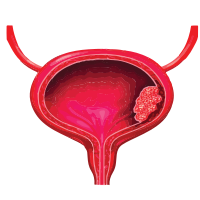
Intravesical Treatment

Transperineal Prostrate Biopsy
Retroperitoneal Tumor Surgery

Adrenal Tumor Surgery

Ureteric Tumor Surgery

Testicular Tumor Surgery

Robotic Surgery


Prostate Cancer Treatment

GI Oncology
Our Healthcare Services
Personalized, multidisciplinary care for all types of cancers

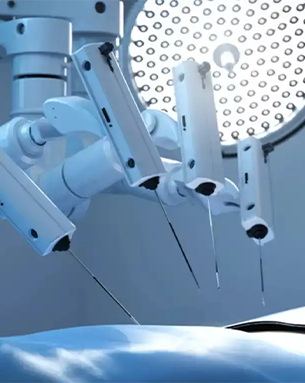

Dr. Rahul P Wagh
Oncologist

- MBBS | MS | M.Ch | FALS
- 15.0 Years Of Experience
- Licence No. MMC 2010020216
- Call
- Video Call
- In person
Testimonials
What our Patients says about us
I have received very good Professional Service from Dr. Rahul Wagh who has operated on my notified disease. He created very homely atmosphere which brought me out of disease feeling and Created Very Positive attitude whiten me. I am very thankful to him from bottom of my hearts and wish big success in his life. God Bless Him.

Mamta Kushe
I am extremely grateful to Dr. Rahul for successfully performing my father's colostomy surgery for colon/rectal cancer. From the initial consultation to the post-operative care, he demonstrated professionalism, expertise, and genuine compassion. The surgery was complex, but the doctor's clear communication, patience, and attention to detail gave us confidence throughout the entire process. My father’s recovery has been remarkable, and we are deeply thankful for the skill and care provided. Dr. Rahul has truly made a positive difference in our lives, and we wholeheartedly recommend them for anyone in need of similar medical care.
Sourabh chouhan
Dr. Rahul Wagh is an amazing Oncology surgeon. He is knowledgeable, compassionate and skilled. He is very friendly and a good listener too. He patiently explained me about my disease, the treatments and also the side effects. After every consultation with Dr. Rahul Wagh, I always felt very satisfied. I highly recommend Dr Rahul Wagh to any patient.
Sindhu Ram
Dr. Rahul Wagh is excellent both as a surgeon and a human being. Very focused and dedicated to the delicate field of oncological surgery. Post operative recovery also happened to be very fast. May God bless him and give him enough strength to continue serving patients for a long time. Hats off to his skills as a surgeon.
SUBODH “KRISHNA” MISHRA
Dr. Rahul Wagh is not just an exceptional oncologist but also a wonderful human being. Throughout my mother’s treatment journey, he was always available, never concerned about time, and treated her as if she were his own family member. His presence made a challenging time much easier for us. At every stage—from diagnosis to post-surgery recovery—he patiently explained all possible options, guiding us toward the best decisions with clarity and reassurance. His expertise and calm demeanor gave us confidence, and no matter how small our doubts were, he always took the time to address them with care. I am truly grateful for his support and highly recommend Dr. Rahul Wagh to anyone in need of an oncologist who combines skill with genuine empathy. He is one of the best doctors we have ever met.
Vijay Majumdar
Media Pictures
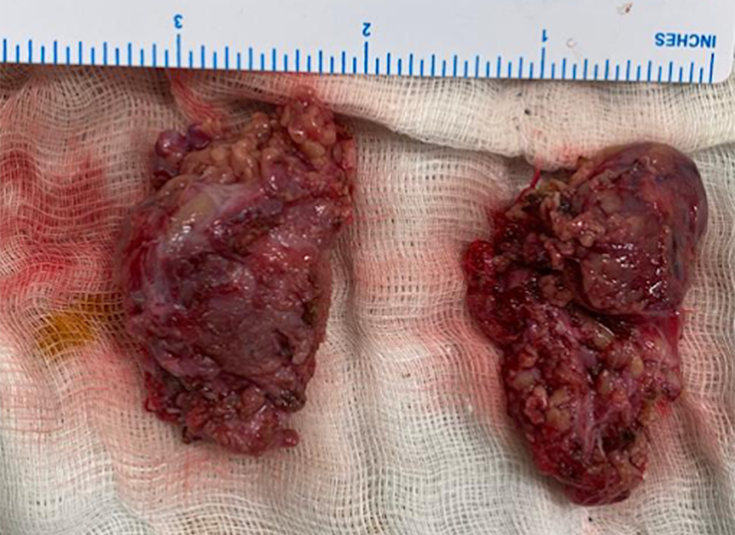
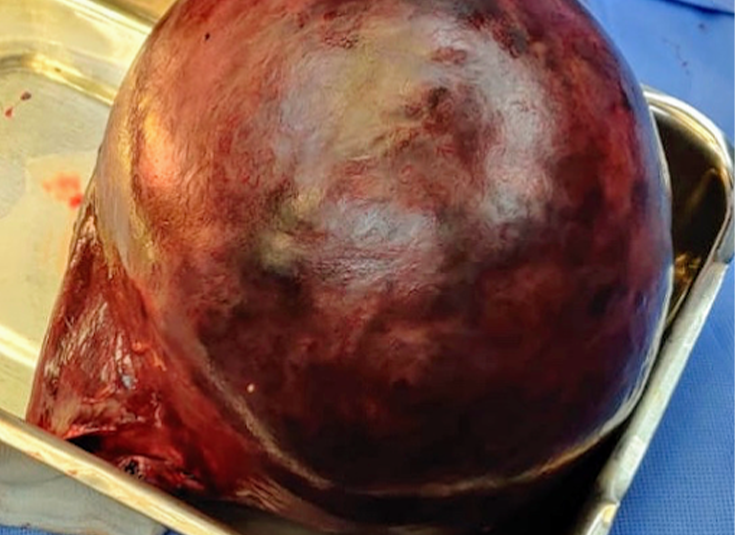
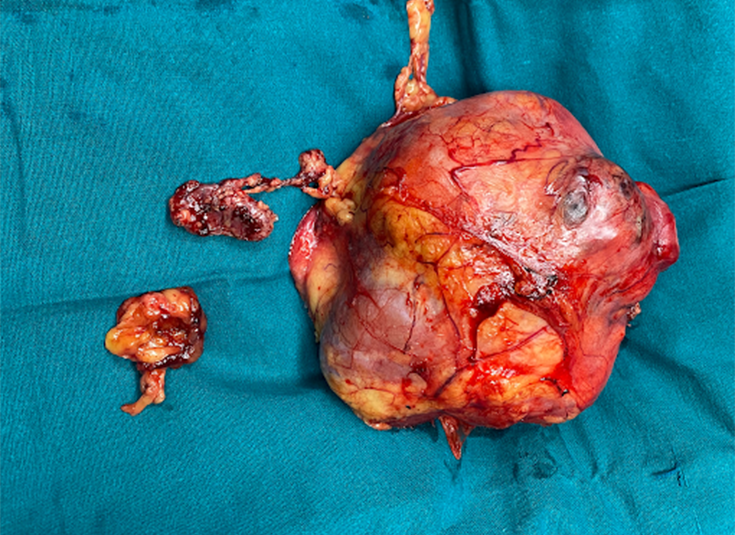
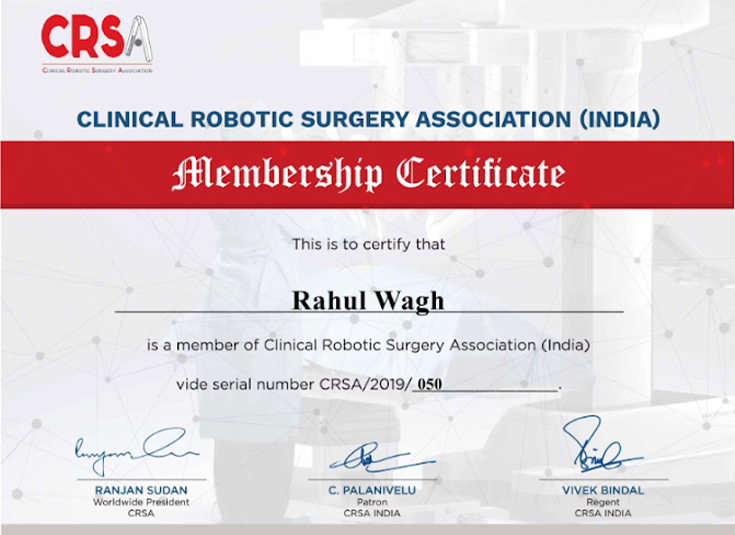
Frequently Asked Questions
Need Answers? Find them here...
What is Dr. Rahul Prakash Wagh's expertise in robotic and minimally invasive surgeries for cancer treatment?
Dr. Rahul Prakash Wagh, a skilled and dedicated Consultant Surgical Oncologist, has extensive training and clinical experience in advanced cancer treatments. With an M.Ch. in Surgical Oncology from Gujarat Cancer & Research Institute and a fellowship in robotic and minimally invasive surgery (FALS), Dr. Wagh is proficient in robotic and laparoscopic techniques. His expertise spans various oncological surgeries, making him a leading specialist in head and neck, gastrointestinal, genitourinary, breast, thoracic, and gynecologic cancers at Manipal Hospital, Baner, Pune.
How does Dr. Rahul Prakash Wagh contribute to the field of surgical oncology?
Dr. Rahul Prakash Wagh significantly contributes to surgical oncology through his clinical expertise in advanced cancer surgeries and his academic endeavors. Trained at prestigious institutions and holding credentials such as an MS in General Surgery and a fellowship in robotic surgery, he practices at Manipal Hospital, Pune. Dr. Wagh actively participates in research, presenting at conferences and publishing in esteemed journals. His leadership in tumor board formations and surgical units highlights his commitment to advancing cancer care in India.
What is surgical oncology?
Surgical oncology is a specialized field of medicine focused on the surgical treatment of cancer. It involves the removal of tumors and cancerous tissues, and is sometimes combined with other treatments like chemotherapy and radiation. The goal is to eliminate cancer while preserving as much normal tissue as possible.
What are robotic cancer surgeries?
Robotic cancer surgeries are advanced, minimally invasive procedures where surgeons use robotic systems to perform complex surgeries. These systems offer high precision and flexibility, allowing for enhanced dexterity in tight spaces. The robotic tools provide three-dimensional, magnified views, aiding in the accuracy and control during cancer surgeries.
How do laparoscopic cancer surgeries work?
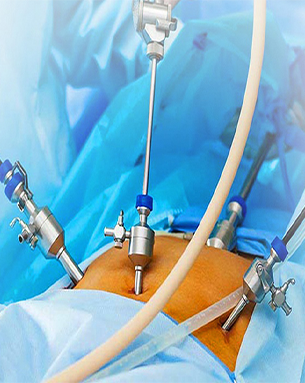
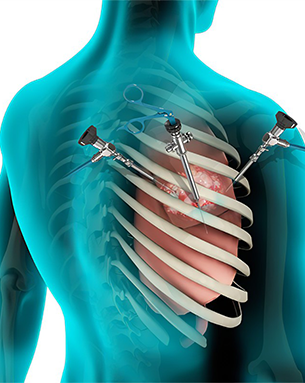
Laparoscopic cancer surgeries involve small incisions through which a camera and surgical instruments are inserted. The surgeon can visualize the inside of the body on a screen, guiding the instruments to perform the surgery. This technique is minimally invasive, leading to less pain, reduced scarring, and quicker recovery times compared to traditional open surgery.
What are minimally invasive cancer surgeries?
Minimally invasive cancer surgeries are techniques that require smaller incisions, causing less disruption to the body. Methods such as laparoscopic and robotic surgeries are part of this category. These approaches typically lead to less postoperative pain, shorter hospital stays, and faster recovery, while effectively treating various types of cancer.
How are laser treatments used in cancer surgery?
Laser treatments in cancer surgery use high-intensity light beams to precisely cut through tissue or shrink/destroy tumors. They are beneficial for treating cancers in sensitive areas or when traditional surgery is not feasible. Lasers allow for minimal bleeding and reduced damage to surrounding tissues, offering an effective option for certain cancers.
What are targeted treatments in surgical oncology?
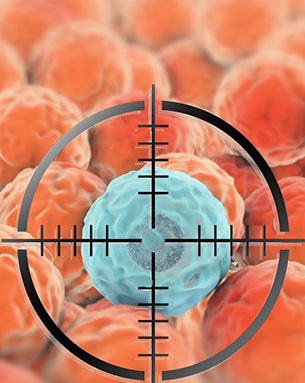
Targeted treatments in surgical oncology focus on attacking cancer cells with minimal impact on normal cells. These treatments are used alongside surgery to improve outcomes. They involve the use of drugs or other substances that specifically recognize and attack cancerous cells, reducing the side effects often associated with traditional therapies.
What types of cancers can be treated with robotic surgeries?
Robotic surgeries can treat a variety of cancers, including prostate, rectal, gynecological, head and neck, and lung cancers. The precision of robotic systems makes them suitable for delicate and complex procedures where minimizing damage to surrounding tissues is critical, contributing to better recovery and outcomes for patients.
What are the benefits of laparoscopic cancer surgeries?
Laparoscopic cancer surgeries offer several benefits over traditional surgery. These include smaller incisions, less postoperative pain, shorter hospital stays, reduced scarring, and quicker overall recovery times. Patients also experience a lower risk of infection and faster return to normal activities, contributing to improved quality of life during cancer treatment.
Are robotic cancer surgeries safe?
Yes, robotic cancer surgeries are generally safe and offer numerous benefits. They provide enhanced precision and control, resulting in less trauma to the body and quicker recovery. Like all surgeries, they carry some risks, but advancements in technology and skilled surgeons help maximize their safety and effectiveness for cancer patients.
What role do laser treatments play in cancer treatment?
Laser treatments play a significant role in cancer treatment by providing a less invasive alternative to traditional surgery. They are used to shrink or destroy tumors, especially in areas where precision is critical. Lasers cause minimal bleeding and damage, making them an effective choice for surface or target-specific cancers in delicate areas.
How do minimally invasive surgeries compare with traditional open surgeries?
Minimally invasive surgeries offer significant advantages over traditional open surgeries. They involve smaller incisions, leading to less pain, reduced risk of infection, and quicker recovery. Patients often experience shorter hospital stays and faster return to daily activities. These benefits, along with reduced scarring, contribute to improved overall patient satisfaction and outcomes.
Can all cancer types be treated with minimally invasive approaches?
While many cancers can be treated with minimally invasive approaches, not all are suitable for such techniques. The feasibility depends on cancer type, location, and stage. Surgical oncologists determine the best approach based on individual cases, ensuring optimal outcomes while minimizing the impact on the patient's body and overall health.
Location & Location Map
Working Hours
MONDAY10:00 AM - 8:00 PM
TUESDAY10:00 AM - 8:00 PM
WEDNESDAY10:00 AM - 8:00 PM
THURSDAY10:00 AM - 8:00 PM
FRIDAY10:00 AM - 8:00 PM
SATURDAY10:00 AM - 8:00 PM